Struggling to track your ball flight or read the subtle breaks on the green? The solution might be clearer than you think, as top pros prove that specialized eyewear is as critical as any club. If poor vision is holding you back, finding the perfect pair of golf sunglasses prescription is the key to unlocking true on-course clarity and confidence. Explore our collection to see how custom optics can sharpen your focus and transform your game.
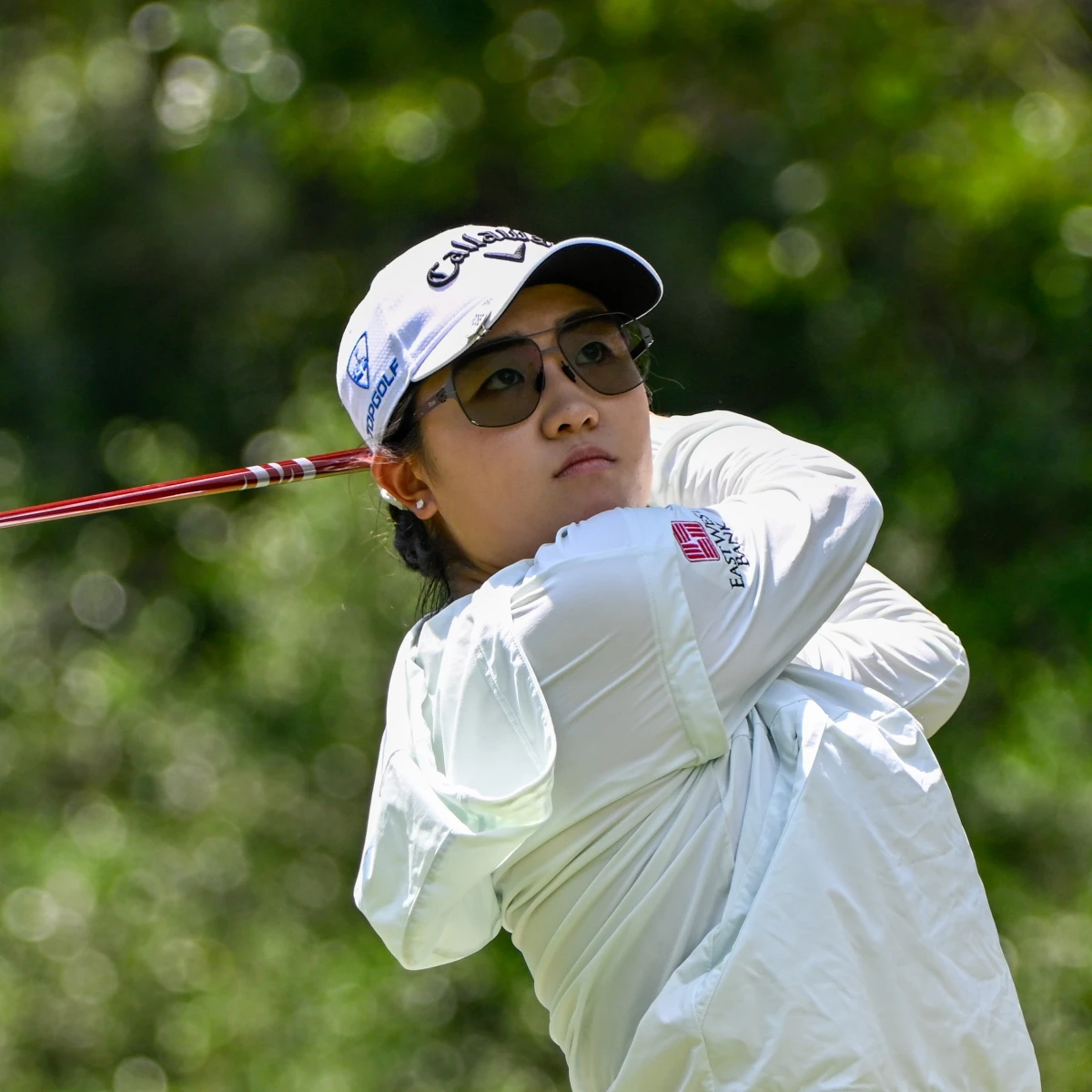
Have you noticed more and more pros on the PGA Tour sporting sunglasses? This isn't just a style trend making a comeback. For the modern professional golfer, high-performance eyewear is a non-negotiable piece of equipment, as critical as their driver or putter.
Take Phil Mickelson, for example. You'll see him wearing his signature sunglasses in all conditions, whether it's a brilliantly sunny day or completely overcast. This practice isn't for looks; it's about maintaining consistent visual information and protecting his eyes from UV rays, wind, and debris, ensuring his focus remains unshaken from the first tee to the 18th green.
This shift highlights that sunglasses are now considered essential golf gear for peak performance in 2025. They reduce glare, enhance contrast to better read the contours of the green, and prevent the eye strain that can degrade performance over a long, competitive round.
What about players who need vision correction? This is where the story of Rickie Fowler provides a perfect case study. His experience directly addresses whether tour players wear prescription sunglasses and why they are so important.
For a period, Fowler was having serious trouble with his long-distance vision on the course. He admitted to struggling to see his ball land on any shot over 150 yards—a massive disadvantage at the elite level of professional golf.
After switching to performance eyewear with his specific vision correction, the change was immediate and profound. In his own words, Fowler said, "Now I can actually see the ball land." This transformation didn't just improve his confidence; it allowed him to strategically manage his game with complete visual clarity.
Fowler's journey is a definitive answer to the question: yes, tour players absolutely wear prescription sunglasses. For any golfer who requires vision correction, having the right pair of golf sunglasses prescription lenses isn't a luxury; it's the key to unlocking their true potential by finally seeing the course as it was meant to be seen.
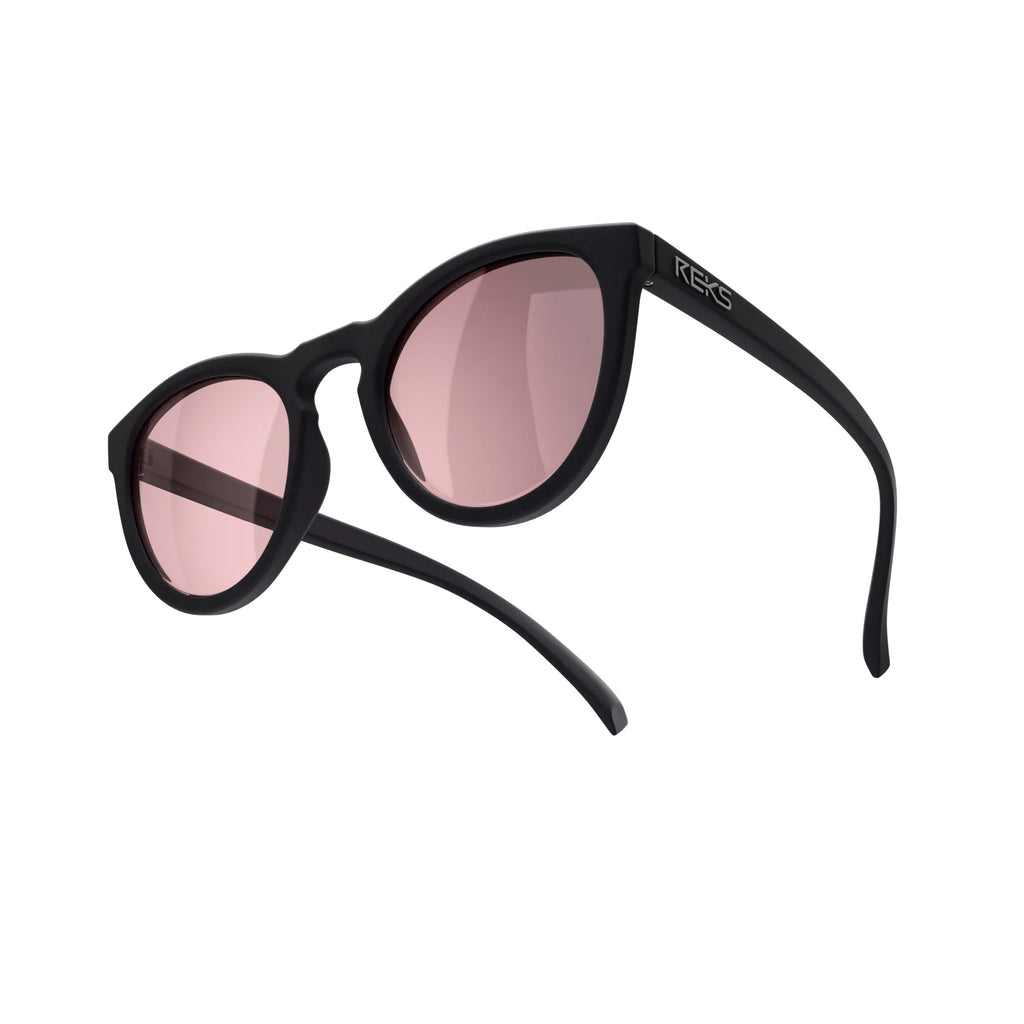
So, the question isn't just *can you wear prescription glasses for golf?* The answer is a clear yes, but that only scratches the surface of what's possible for your game.
The real question is how you can leverage specialized eyewear to gain a significant competitive edge. It's all about achieving ultimate visual clarity, which translates directly to more confidence over every shot.
While standard sunglasses offer essential UV protection, they can't correct the underlying vision issues that might be holding you back. If you have astigmatism or nearsightedness, generic lenses won't sharpen your view of the fairway or the putting line.
One of the most common issues for golfers is poor depth perception, particularly in low-light conditions. This can make judging distances for approach shots or reading the subtle contours of the green incredibly difficult during an early morning or twilight round.
As Rickie Fowler experienced before his switch, this struggle is real. When the light is flat, your ability to accurately perceive distance and detail diminishes, leading to doubt and poorly executed shots.
This is precisely `how to improve vision for golf`: with corrective lenses engineered for the course. They enhance contrast and sharpen focus, making the ball, the flag, and the break of the green pop with detail.
These are the `best sunglasses for tracking golf ball in air` because they make it easy to follow your shot against any background, from a bright blue sky to a hazy overcast day.
If you are tired of guessing distances or losing sight of your ball, finding a pair of glasses that corrects your specific vision needs is the key. To see how custom optics can transform your game, explore our collection of prescription golf glasses and find the perfect lens for true on-course clarity.

When choosing lenses, one of the first decisions you'll face is whether to go polarized. The answer isn't always straightforward and often comes down to personal preference and how you read the course.
Polarized lenses are fantastic at cutting glare from reflective surfaces like water hazards or a wet fairway. This sharp reduction in horizontal glare can make for a more comfortable and less strenuous visual experience on a bright, sunny day.
However, that same glare-reducing property can sometimes be a disadvantage on the greens. Many golfers rely on the subtle sheen of the grass to read the grain and slope. By eliminating that sheen, polarized lenses can flatten your perception of the green's contours, potentially making it harder to judge the break of a putt.
Top professionals understand this trade-off. A player like Phil Mickelson, for instance, has built a career on masterful short-game play, which demands impeccable depth perception. His choice of specialized, non-polarized lenses reflects a strategy focused on maintaining a natural, unfiltered view of the green's subtle textures, regardless of the light.
This is a common choice among elite golfers who prioritize the ability to read every nuance of the putting surface over general glare reduction.
Conversely, there are specific scenarios where polarization is a clear winner. For those who often play in wet or rainy conditions, polarized lenses can be a game-changer. They effectively cut through the distracting glare and light refraction caused by raindrops on your lenses and on the course itself.
This ability to provide clear vision during a downpour is a key reason why some golfers keep a pair of polarized sunglasses in their bag, making them ideal sunglasses for different weather conditions on the course.
Beyond the polarized debate, modern golf eyewear incorporates advanced technology designed to give you a competitive advantage. The focus is on optical purity and performance enhancement.
The most crucial feature of high-quality golf lenses is that they provide a distortion-free field of vision. Standard fashion sunglasses can sometimes create a slight "fishbowl" effect or magnify objects, which can subtly throw off your perception of the ball's position at address.
Specialized lenses are engineered to be optically decentered, ensuring that when you look down at the ball, its location is true and accurate. This is the secret to finding golf sunglasses that don't distort ball and allows for a consistent, confident setup and swing every time.
It's no coincidence that top professionals like Phil Mickelson and Rose Zhang are often seen wearing specialized eyewear. They aren't just making a fashion statement; they are leveraging advanced optics for peak performance.
These athletes rely on lenses that enhance contrast, making it easier to separate the white ball from the green fairway and the blue sky. This enhanced definition helps in tracking the ball's flight and judging distances with greater accuracy.
To illustrate, Phil Mickelson has famously used Uswing Eyewear, a brand known for its non-polarized, high-contrast lenses. This choice underscores the importance of seeking out specific golf eyewear technology tailored to the unique visual demands of the sport.
It’s a testament to the idea that for serious golfers, eyewear is a piece of performance equipment, not just an accessory. The right technology can directly translate to better scores.
Investing in eyewear with superior golf eyewear technology means you're getting lenses designed for clarity, contrast, and distortion-free vision. To find the pair that fits your prescription and provides these on-course benefits, explore our selection of golf sunglasses prescription and see the game with the clarity of a pro.
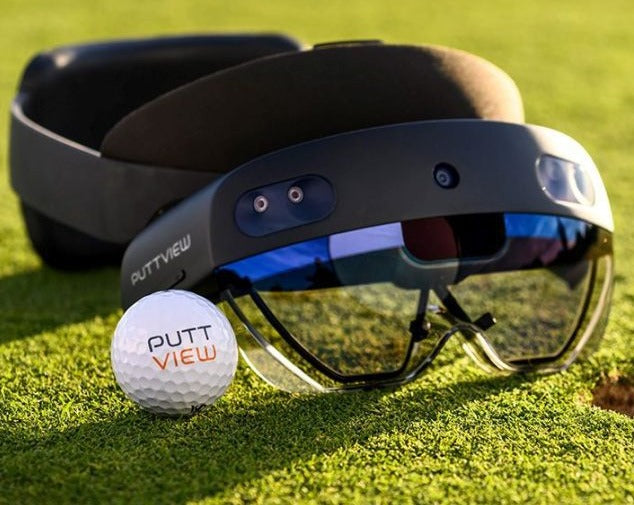
The next evolution in golf eyewear technology has arrived, and it's set to change how we see the course. Augmented reality is no longer science fiction; it's a practical tool that is transforming performance eyewear into a personal digital caddie.
A prime example entering the market is CaddieVision, which offers AR smart glasses for golf. This isn't just about protecting your eyes from the sun; it's about gaining a significant strategic advantage over your opponents.
So, how does it work? This cutting-edge technology overlays real-time, critical data directly onto your field of vision. Imagine looking at a pin and instantly seeing the precise distance, wind direction, and elevation change without ever reaching for a rangefinder.
The benefits of AR on the course are tangible and address some of golf's most common challenges. This technology provides data-driven feedback to improve both your swing mechanics and your course management.
One of the most powerful technical features is head movement monitoring. Many amateur golfers struggle with lifting their head too early in the swing, leading to topped shots and inconsistency. AR glasses can track your head's position, providing immediate feedback to help you maintain stability and a proper swing plane.
These smart glasses also display precise distances to any point on the course, from the front of a bunker to the center of the green. This instant, hands-free information allows for quicker and more confident club selection, streamlining your pre-shot routine.
Furthermore, AR can guide your fundamental setup. The system can project visual aids to ensure consistent ball position and the correct stance width for every club in your bag.
As we look toward 2025, upcoming features like a "lost ball mode" and AI-powered caddie instruction promise to make this technology even more indispensable.
While AR represents the exciting future, the foundation of superior on-course vision remains a crystal-clear, accurate prescription. The most advanced digital overlay is useless if the underlying optics are flawed. To ensure your vision is sharp enough to take advantage of today's and tomorrow's technology, start with a pair of high-performance golf sunglasses prescription that provide the essential clarity your game demands.
In summary, upgrading your eyewear is one of the most impactful changes you can make to your golf game. As we've seen from the pros on tour, the right sunglasses are a piece of high-performance equipment, not just a style accessory. Here are the key takeaways to remember:
Ultimately, seeing the course with maximum detail and precision removes guesswork and builds the confidence needed to execute every shot. If you're ready to stop compensating for poor vision and start playing to your true potential, investing in a quality pair of golf sunglasses prescription is the clearest path to a better game.