:max_bytes(150000):strip_icc()/VWH-Presbyopia-How-Aging-Affects-Your-Vision-TEXT-FINAL-1-1-5d3c0e9f966443ef94194f82f0743498.png)
Are you finding yourself holding your phone further away to read messages, or squinting at menus? You're not alone! By 2025, millions will be navigating the common age-related shift in near vision known as presbyopia. This article dives into why your close-up vision changes and, more importantly, how to regain crystal-clear focus for everyday tasks. Whether you're an outdoor enthusiast needing optimal clarity on the trail or simply seeking to read a book with ease, finding the right vision solution is paramount. For robust performance and clear sight during your adventures, consider high-quality readers eyeglasses designed for active lifestyles. Furthermore, for comprehensive solutions that address various near vision needs, exploring options like glasses with bifocals can offer versatile and convenient clarity for your dynamic life.
how do reading glasses work
As we navigate life, our bodies naturally evolve. One common change that many adults experience around middle age is a shift in their close-up vision. This phenomenon is known as **presbyopia**, and it's a completely normal part of the aging process. Understanding why this happens and what can be done is key to maintaining clear vision for daily tasks.
Presbyopia is not a disease, but rather a gradual, age-related loss of the eye's ability to focus actively on nearby objects. It affects nearly everyone eventually, typically starting in their early to mid-40s. By 2025, millions more will experience these changes.
At the core of presbyopia is the **eye's natural lens**. When we are young, this lens is soft and flexible, allowing it to change shape easily and focus light directly onto the retina, whether objects are near or far. With age, the lens hardens and becomes less elastic. This loss of flexibility means the eye can no longer adjust its focus as effectively for close work. It's similar to a camera lens that loses its ability to zoom in properly. This is the root cause of **age-related blurry vision treatment** being sought.
The initial **presbyopia symptoms** are often subtle but become increasingly noticeable. You might find yourself holding books, newspapers, or menus at arm's length to read the small print. Close-up tasks like threading a needle, reading a phone screen, or working on a computer become challenging, leading to frustration. Other common signs include **eye strain from reading**, headaches, or fatigue after performing tasks that require near vision. If you're experiencing these changes, it's a clear signal that your **vision correction options for aging eyes** need to be explored. Many find immediate relief with **optical aids** like lightweight reading glasses, which are designed to restore clarity for close-up activities.
When your natural lens can no longer perform its job effectively, **readers eyeglasses** step in to compensate. These optical devices are specifically designed to provide the additional focusing power your eyes now lack for near vision. They are one of the most common and effective solutions for **managing presbyopia naturally**.
Traditional `readers eyeglasses` work by providing magnification, effectively extending your eyes' focal length. Each lens in a pair of reading glasses has a specific diopter strength, which is a measure of its optical power. This added power helps to converge light rays more effectively onto your retina, allowing you to see nearby objects clearly again. The strength needed varies from person to person and typically increases with age. Understanding `reading glasses strengths explained` is crucial for choosing the right pair to ensure optimal clarity without **eye strain from reading**. Many `vision enhancers` or **magnifying glasses** offer a simple yet profound solution.
Interestingly, the effectiveness of `reading spectacles` shares a principle with the **pinhole effect for vision**. If you look through a tiny hole, your depth of field increases, and objects, both near and far, appear clearer without needing to adjust focus. This is because the pinhole reduces the amount of light entering the eye, allowing only central rays to pass through. While `readers eyeglasses` don't physically create a pinhole, their precisely calculated **optical power** achieves a similar outcome. They redirect and converge light in a way that bypasses the natural lens's diminished ability to change shape, effectively creating a clearer, more focused image on the retina, much like the precision of the pinhole. This mechanism is why `reading assistance glasses` are so effective for everyday tasks.
While traditional **readers eyeglasses** have long been the go-to solution for age-related near vision issues, the landscape of **vision correction options for aging eyes** is rapidly evolving. Many individuals are actively searching for convenient and innovative ways to address their **presbyopia symptoms** without always relying on conventional spectacles. By 2025, groundbreaking advancements are offering promising `alternatives to reading glasses`, catering to diverse needs and lifestyles.
One of the most exciting recent developments in `age-related blurry vision treatment` is the advent of eye drops specifically designed to improve near vision. These drops offer a non-invasive, spectacle-free option for **managing presbyopia naturally**, at least in terms of not wearing glasses.
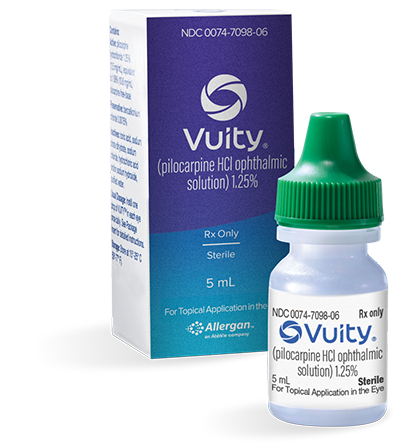
The leading product in this category is Vuity, which utilizes **Pilocarpine 1.25%** as its active ingredient. Understanding `how do pilocarpine eye drops work` is key to appreciating their effectiveness. These `eye drops for presbyopia (Vuity)` work by temporarily reducing the size of your pupil, creating a "pinhole effect" that increases your eye's depth of focus. This allows light to converge more sharply on the retina, thus improving your ability to see close-up objects without the need for additional **magnifying lenses** or `reading assistance glasses`. This mechanism effectively compensates for the natural lens's hardening, much like the principle behind the **pinhole effect for vision**.
Clinical trials have demonstrated the efficacy of these `vision-enhancing drops`. They are primarily intended for individuals under 55 who are experiencing early to moderate `presbyopia symptoms`. Studies showed that many users experienced 2 to 3 hours of improved near vision, with some gaining the ability to read an impressive 3 extra lines on a vision chart. This makes **eye drops for presbyopia (Vuity)** an appealing option for those seeking freedom from `readers eyeglasses` for specific periods, offering a convenient way to tackle daily tasks like reading menus or texts.
Despite their innovative nature and potential benefits, it's important to have a clear understanding of the **common side effects of Vuity eye drops** and their inherent limitations. Like any medical treatment, they come with considerations for user safety and long-term viability.
Clinical data indicates that common adverse events associated with `Pilocarpine eye drops` include headaches and eye redness, which occurred at a frequency of more than 5%. While generally mild, these `side effects of eye drops` can be a deterrent for some users. It's crucial for individuals considering this `age-related blurry vision treatment` to discuss these potential issues with their eye care professional to determine if it's the right choice for them. For many, a simple pair of cheap reading spectacles might offer a more immediate and side-effect-free solution.
Beyond common discomforts, there are important safety considerations for **Vuity eye drops**. Users are advised to exercise caution when driving at night due to the pupil-constricting effect, which can reduce the amount of light entering the eye and impair night vision. Furthermore, there's an increased risk of retinal detachments, particularly in very myopic patients, especially at higher doses, though this risk is typically low with the 1.25% concentration. Consulting an ophthalmologist is paramount to assess individual risks and ensure safe use, as they can provide tailored advice on `vision correction options for aging eyes` and `how to choose reading glasses` alternatives.
Beyond traditional **readers eyeglasses** and the new class of `eye drops for presbyopia (Vuity)`, a range of other solutions exists for those grappling with `age-related blurry vision treatment`. These options reflect the ongoing innovation in ocular health.
For individuals seeking more permanent `alternatives to reading glasses`, various surgical and non-surgical `vision correction options for aging eyes` are available. These include multifocal contact lenses, which allow vision at multiple distances, and monovision contact lenses, where one eye is corrected for distance and the other for near vision. Surgical procedures like corneal inlays, which involve placing a small device in the cornea to improve near vision, and refractive lens exchange, where the natural lens is replaced with an artificial multifocal or extended depth of focus intraocular lens, also offer significant improvements. These advanced `optical aids` aim to provide freedom from `vision enhancers` like traditional reading glasses.
A common question that arises when discussing `managing presbyopia naturally` is: `can eye exercises improve presbyopia?` Unfortunately, despite persistent claims, scientific evidence overwhelmingly indicates that eye exercises cannot reverse or cure presbyopia. The condition is caused by the natural hardening and loss of flexibility of the eye's lens, a structural change that exercises cannot alter. While some exercises might help with `eye strain from reading` or improve ocular muscle coordination, they do not address the root cause of **age-related blurry vision treatment** needs. For clear near vision, effective `readers eyeglasses` or medically proven `alternatives to reading glasses` remain the most reliable solutions.
For outdoor enthusiasts who need clear vision and robust protection, consider specialized eyewear. The Men's Blue PhotochromicRed Sunglasses Polarized Cycle Glasses Sun Glasses for MTB UV400 Goggles Woman Road Bike Bicycle Eyewear 45-Red Photochromic offers exceptional clarity and UV400 protection, making it an excellent choice for activities like cycling where optimal vision and eye safety are paramount, ensuring you see the trail clearly even as your near vision evolves.

Navigating the world of **readers eyeglasses** can feel overwhelming, given the vast array of options available. To find the perfect pair that not only enhances your vision but also complements your lifestyle, it's essential to understand the practical aspects of selection. By 2025, consumers are more informed than ever about `how to choose reading glasses` that truly meet their `age-related blurry vision treatment` needs.
The first and arguably most critical step in choosing **magnifying lenses** for near vision is determining the correct strength. This directly impacts how effectively your **optical aids** will help you see close-up.
The strength of `readers eyeglasses` is measured in diopters, often expressed as a plus sign followed by a number (e.g., +1.00, +2.50). This measurement indicates the lens's **optical power** or its ability to converge light to create a clear image at a specific **focal length**. A higher diopter number signifies greater magnifying power. Understanding `reading glasses strengths explained` is crucial; starting with a strength that's too high can cause **eye strain from reading** and discomfort, while one that's too low won't provide adequate clarity.
Most individuals begin experiencing `presbyopia symptoms` around age 40, often needing a lower strength like 1.00 reading glasses. As **presbyopia** progresses, the required diopter strength typically increases. It's recommended to test different strengths to find the one that allows you to read comfortably at a normal reading distance.
When it comes to `prescription vs over-the-counter reading glasses`, there are significant differences and even legal limitations to consider. Over-the-counter (OTC) **readers eyeglasses** are mass-produced with identical magnification in both lenses and are suitable for individuals with `presbyopia symptoms` who have similar vision in both eyes and no other significant vision impairments.
However, certain jurisdictions, like New York, prohibit the OTC sale of `reading assistance glasses` exceeding 2.75 diopters. This regulation underscores the importance of professional eye care for higher strengths or more complex `vision correction options for aging eyes`. For any vision concerns beyond simple `age-related blurry vision treatment` or if you experience significant `eye strain from reading` with OTC options, consulting an optometrist for a comprehensive eye exam is always the **best reading glasses for long-term use** strategy. They can provide a precise **prescription** that accounts for astigmatism or different strengths in each eye.
Beyond just magnification, the fit, feel, and aesthetic of your **vision enhancers** play a significant role in how often and comfortably you'll wear them. Choosing the right **readers eyeglasses** involves a blend of practicality and personal preference.
Gone are the days when **readers eyeglasses** were purely functional. Today, they are a legitimate fashion accessory, and **stylish reading glasses brands** offer a vast array of designs, colors, and materials to reflect your individual **personality**. Whether you prefer classic frames, modern minimalist styles, or bold statement pieces, there's a pair of `fashion eyewear` for everyone. Brands like Peepers, for example, offer **Spotlight Readers** starting at $29, proving that style doesn't have to break the bank. Selecting frames that complement your face shape and personal **aesthetics** ensures that your reading glasses are not just a necessity but an enjoyable part of your everyday look.
In our increasingly digital world, many individuals spend hours in front of screens, leading to `digital eye strain`. This is where `computer reading glasses benefits` become particularly relevant. These **specialized readers**, often referred to as `digital screen eyewear`, are designed to reduce the discomfort associated with prolonged screen use. They typically feature lenses with **blue light filtering** properties, which can help mitigate potential harm from high-energy visible blue light emitted by devices.
Additionally, **computer reading glasses** often have anti-glare coatings to minimize reflections and can be optimized for the intermediate viewing distance required for computer screens, which is further than a typical reading distance but closer than distance vision. This targeted `vision enhancement` can significantly alleviate `eye strain from reading` digital text and improve overall visual comfort during extended screen time. Many looking for such advanced solutions might consider the versatile benefits of an eyeglass prescription reader, which combines tailored vision correction with digital eye protection.
When considering `how to choose reading glasses`, the **durability** and **longevity** of your chosen pair are crucial for `best reading glasses for long-term use`. While budget-friendly options are readily available, investing in **quality readers** can save you money and frustration in the long run. Look for **sturdy frames** made from durable materials like TR90, titanium, or high-quality acetate, which are less prone to breaking or warping.
Equally important are **scratch-resistant lenses**, as scratched lenses can quickly impair vision and necessitate replacement. While a pair of 1.00 reading glasses might seem simple, opting for a well-constructed pair ensures better optical clarity and resilience to daily wear and tear, offering better **cost-effectiveness** and reliable **vision enhancement**.
For those who enjoy an active outdoor lifestyle and require durable, high-performance eyewear that can adapt to changing light conditions, consider a product designed for versatility and protection. The Men's Blue PhotochromicRed Sunglasses Polarized Cycle Glasses Sun Glasses for MTB UV400 Goggles Woman Road Bike Bicycle Eyewear 45-Red Photochromic offers excellent clarity and UV400 protection, making it an ideal choice for activities like cycling where optimal vision and eye safety are paramount, ensuring your eyes are well-protected whether you're reading a map or navigating the terrain.

As we move into 2025, the landscape of **readers eyeglasses** is rapidly transforming, driven by groundbreaking advancements in **optical technology** and **wearable tech**. These innovations are not just improving visual clarity but also integrating seamlessly into daily life, offering unprecedented convenience and functionality. The future of `age-related blurry vision treatment` is looking smarter and more sophisticated, moving beyond traditional **magnifying lenses** to embrace cutting-edge solutions.
The quest for enhanced **visual assistance** has led to exciting developments in wearable technology. From smart glasses that offer augmented reality to specialized `vision correction options for aging eyes`, these innovations are poised to redefine how we perceive and interact with our digital world. The evolution of `digital screen eyewear` is a testament to the continuous drive for better visual comfort and performance.
Imagine a world where your reading material floats effortlessly before your eyes, without the need to hold a device. This is the promise of `wearable e-reader glasses`, a revolutionary concept for **hands-free digital reading**. One compelling example emerging in 2025 is the conceptual "Sol E-Reader." This innovative device aims to provide a seamless **digital reading experience** by projecting text directly into your field of vision, making it an ideal `reading assistance glasses` solution.
Designed to be remarkably lightweight, the Sol E-Reader concept weighs around 100 grams, ensuring comfort for extended wear. It promises an impressive battery life of approximately 30 hours of continuous reading time, a significant leap for portable **visual aids**. Priced around $350, it targets individuals seeking ultimate convenience and an immersive `digital reading experience` for `presbyopia symptoms`. This **smart eyewear** could be a game-changer for those who experience `eye strain from reading` on traditional screens, offering a new dimension of **optical support**.
The demands of modern life, dominated by screens, have accelerated the evolution of `digital screen eyewear`. This category of **specialized readers** is no longer just about basic magnification; it's about comprehensive `vision enhancement` tailored for the digital age. As more people spend hours on computers, tablets, and smartphones, the need for effective `computer reading glasses benefits` has become paramount.
Modern `digital screen eyewear` often incorporates advanced features like **blue light filtering** to protect eyes from harmful emissions, anti-glare coatings to reduce reflections, and optimized focal lengths for intermediate viewing distances. These enhancements significantly alleviate `eye strain from reading` and promote long-term eye health for users of `readers eyeglasses`. The continuous innovation in this field reflects a growing understanding of `how do reading glasses work` in a digitally saturated environment, ensuring that our **optical solutions** keep pace with our technological lifestyle.
Navigating the natural progression of presbyopia doesn't have to mean sacrificing your clarity or independence. As we've explored, the age-related hardening of the eye's natural lens is a universal phenomenon, leading to the gradual blurriness of near vision. Fortunately, a diverse array of effective solutions exists to restore your ability to see clearly for close-up tasks, ranging from traditional and accessible optical aids to groundbreaking technological advancements.
We delved into the fundamental mechanism of how traditional readers eyeglasses compensate for the eye's diminishing focus, effectively providing the necessary magnification to bring near objects back into sharp view. Beyond conventional spectacles, we examined innovative alternatives like Vuity eye drops, which offer a non-invasive way to temporarily improve near vision by leveraging the 'pinhole effect' principle. While promising, it's crucial to understand their efficacy, ideal candidates, and potential side effects.
Furthermore, the discussion highlighted a broader spectrum of vision correction options for aging eyes, including multifocal contact lenses, corneal inlays, and refractive lens exchange, catering to those seeking more permanent solutions. We also debunked the myth that eye exercises can cure presbyopia, emphasizing that structural changes in the lens cannot be reversed through such means.
Choosing the right solution hinges on understanding your specific needs, the severity of your presbyopia, and your lifestyle. Whether it's selecting the correct diopter strength for over-the-counter reading glasses, considering a precise prescription for more complex vision needs, or exploring stylish frames that reflect your personality, making an informed decision is key. For individuals heavily reliant on digital devices, specialized computer reading glasses with blue light filtering and anti-glare properties offer significant benefits in combating digital eye strain.
Looking ahead to 2025, the future of vision aids is bright, with advancements like wearable e-reader glasses promising hands-free digital reading experiences and further evolution in digital screen eyewear. These innovations underscore a future where maintaining clear vision is more convenient and integrated into our lives than ever before.
Ultimately, whether you opt for the simplicity and immediate relief of well-chosen reading glasses or explore more advanced medical and technological interventions, the goal remains the same: to ensure uncompromised clarity for all your near vision needs. Remember to consult with an eye care professional to determine the best path for your unique visual journey. For a wide selection of versatile and effective options, including various strengths and styles, consider exploring glasses with bifocals and more on our collection page, designed to empower you with clear vision for every aspect of your life.